Video Game Art Design & Outsourcing in 2026
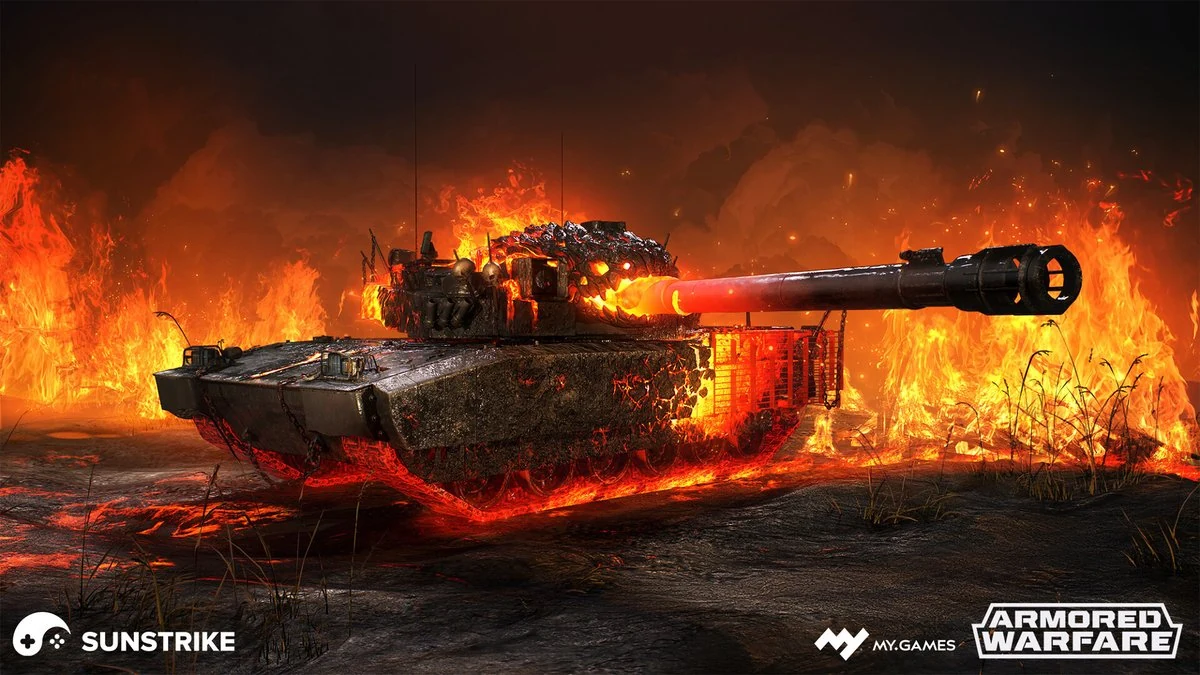
Great art is the first promise your game makes to a player. It telegraphs genre, tone, and production quality almost instantly - often well before anyone picks up a controller. Still, assembling and maintaining a top-tier in-house art team is tough: hiring is slow, styles evolve, platform requirements shift, and content demand spikes around milestones. That’s why smart studios combine a strong internal vision with specialized external partners.
This guide explains how modern video game art design works, when and how to outsource it effectively, and what to expect from a collaborative pipeline with SunStrike Studios. It’s written for producers, art directors, founders, and anyone shaping a game’s visual identity - whether you’re building your first mobile title or scaling a live AAA project.
What “Game Art Design” Really Covers
Game art design is the end-to-end process of imagining, planning, creating, integrating, and polishing every visual element the player sees. It’s equal parts creativity and engineering. The work typically spans:
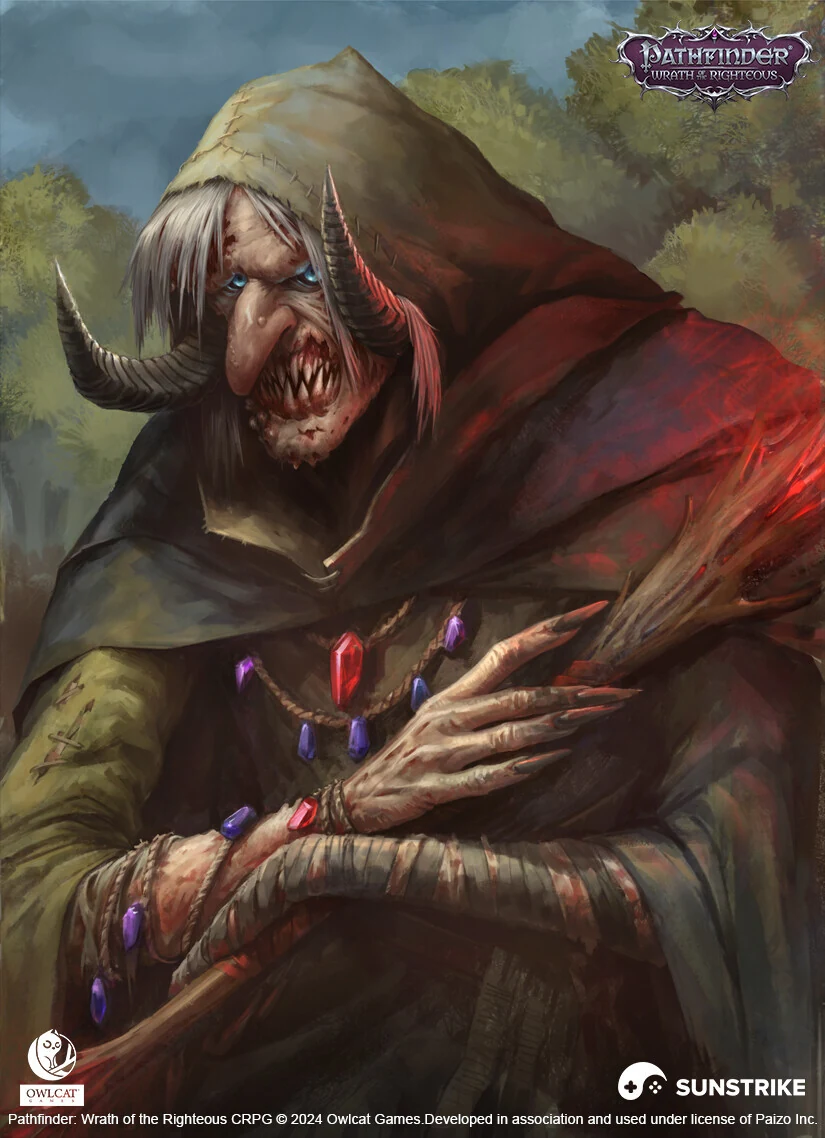
- Concept Art: Rapid exploration of shapes, silhouettes, palettes, and mood. Robust concept art sets clear scope, prevents missteps, and secures a cohesive visual direction.
- 2D Production Art: Characters, props, environments, icons, UI, and marketing materials produced to final quality.
- 3D Modeling & Sculpting: Hard-surface and organic assets built in high and low poly, retopology for performance, and PBR texturing for believable materials.
- Animation & Rigging: From stylized loops to realistic performance capture clean-up; rigs designed for expressive range and technical reliability.
- VFX & Tech Art: Shaders, particle systems, lighting, and optimization that transform static elements into living moments.
- UI/UX Art: Clear, responsive interfaces and typography that reduce friction and reinforce brand.
- In-Engine Integration: Implementation inside Unity, Unreal, or proprietary engines; material setups, LODs, collision, lightmaps, and profiling.
Art design succeeds when every discipline serves a singular vision and ships at the performance budget your target platforms can actually run.
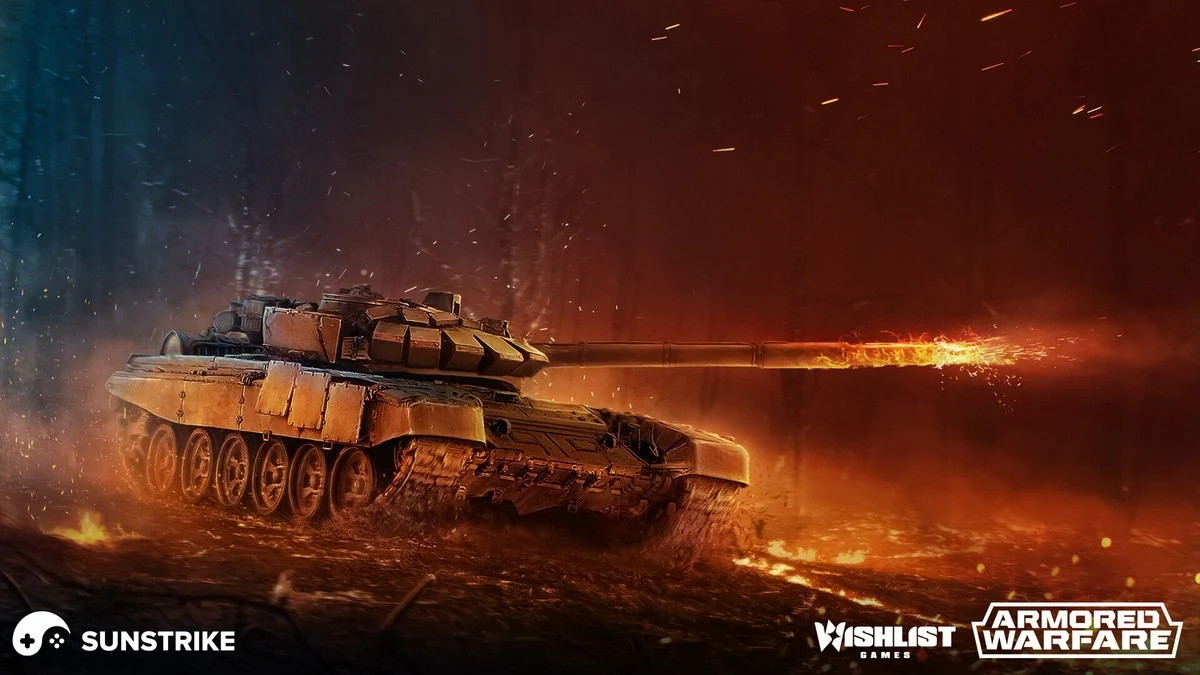
The Modern Art Pipeline
Though every project is unique, most successful pipelines follow four overlapping phases.
1. Visual Discovery
Mood boards and quick sketches establish a north star. We explore silhouettes, color scripts, and thematic references; we test ideas with photobashing or rough 3D block-outs. The goal isn’t polish - it’s clarity. After alignment, we lock a style guide: palettes, brush/texture rules, modeling standards, topology guidelines, and performance targets.
2. Pre-Production Proof
Before scaling, we validate the style in-engine. A small set of vertical slice assets - often one hero character, a few props, and a test environment - are built to final quality and profiled on target devices. This exposes shader pitfalls, memory pressure, or readability issues early, saving weeks later.
3. Production at Scale
Once the recipe works, we move into disciplined batch production. Tasks are groomed from the art backlog, dependencies are tracked, and assets flow through concept → model → UV → bake → texture → rig/animate → integrate. We keep a daily cadence of visual reviews to catch proportion drift, shading mismatches, and style breaks. Tools like Perforce, Git LFS, ShotGrid, or Jira keep assets versioned and visible.
4. Polish & Performance
Shipping art means more than “looks good in a DCC.” We finalize LODs, impostors, texture atlases, collision, and shader variants; we trim draw calls; we test readability on small screens; we create photo-mode-friendly lighting where appropriate. QA validates both aesthetics and technical correctness - pivot points, scaling, naming, collisions, and mip behavior.
Style, Consistency, and the Art Bible
Consistency is a player comfort feature. A compelling art bible prevents subtle drift across hundreds of assets and dozens of artists. Your guide should capture:
- Pillar statements (“retro-futurist optimism,” “grim fairytale,” etc.)
- Dos and Don’ts with side-by-side examples
- Palette ranges and saturation limits
- Edge treatment rules (hard bevels vs. painterly softening)
- Material language (metals, fabrics, skin) with PBR values
- UI rules: grid, scale, motion, sound cues
- Performance budgets per asset category
At SunStrike, we maintain an evolving, illustrated art bible inside your project workspace so every contributor sees the latest standard in one click.
In-Engine Reality: Performance Meets Aesthetics
A beautiful character that breaks your frame budget is not shippable. We design with physics in mind:
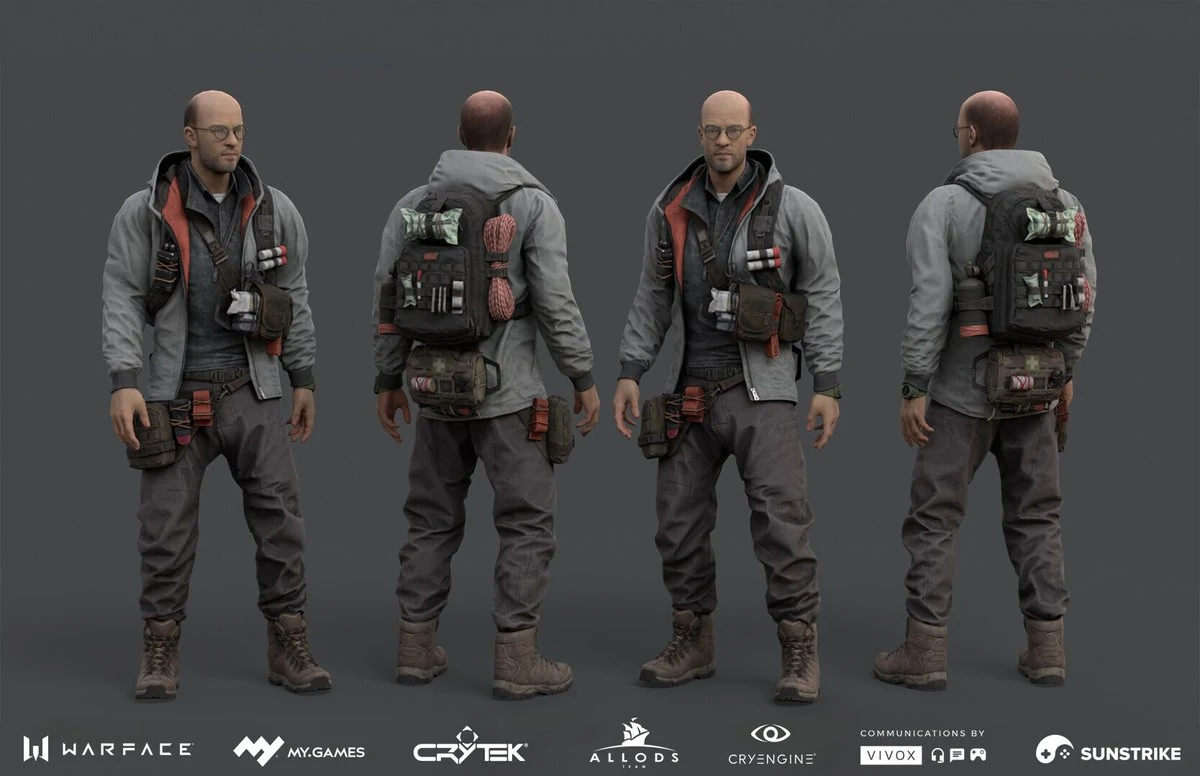
- PBR Discipline: Calibrated albedo, metalness, and roughness yield predictable results across lighting scenarios.
- Level of Detail: Automated LODs are not enough. We manually craft the critical LODs to preserve silhouette fidelity and strip out hidden edge loops and interior geometry.
- Texture Strategy: UDIMs for hero assets where needed; trimsheets and atlases for volume work; correct texel density for fairness between pieces.
- Mobile Optimization: Aggressive batching, shader simplicity, careful post-processing, and mindful memory footprints; text readability and color contrast under natural daylight.
- Accessibility: Contrast checks, color-blind safe palettes, UI motion options, and scalable typography.
When Outsourcing Makes Sense
Even strong internal teams routinely outsource. Common catalysts include tight milestone spikes, experimental styles, gaps in specialist roles (e.g., creature rigging or stylized VFX), or the need to parallelize content creation while designers iterate.
Benefits you gain with SunStrike Studios:
- Elastic Capacity: Spin up a pod of concept artists this month, swap to animators next month.
- Specialist Skill: We maintain bench strength across 2D and 3D, UI/UX, VFX, and animation - plus QA and full-cycle game development.
- Predictable Delivery: Mature tooling, daily check-ins, and acceptance criteria that match your art bible.
- Cost Control: Choose the engagement model that fits your risk and scope: fixed deliverables, time-and-materials, or a dedicated pod.
How to Choose the Right Partner
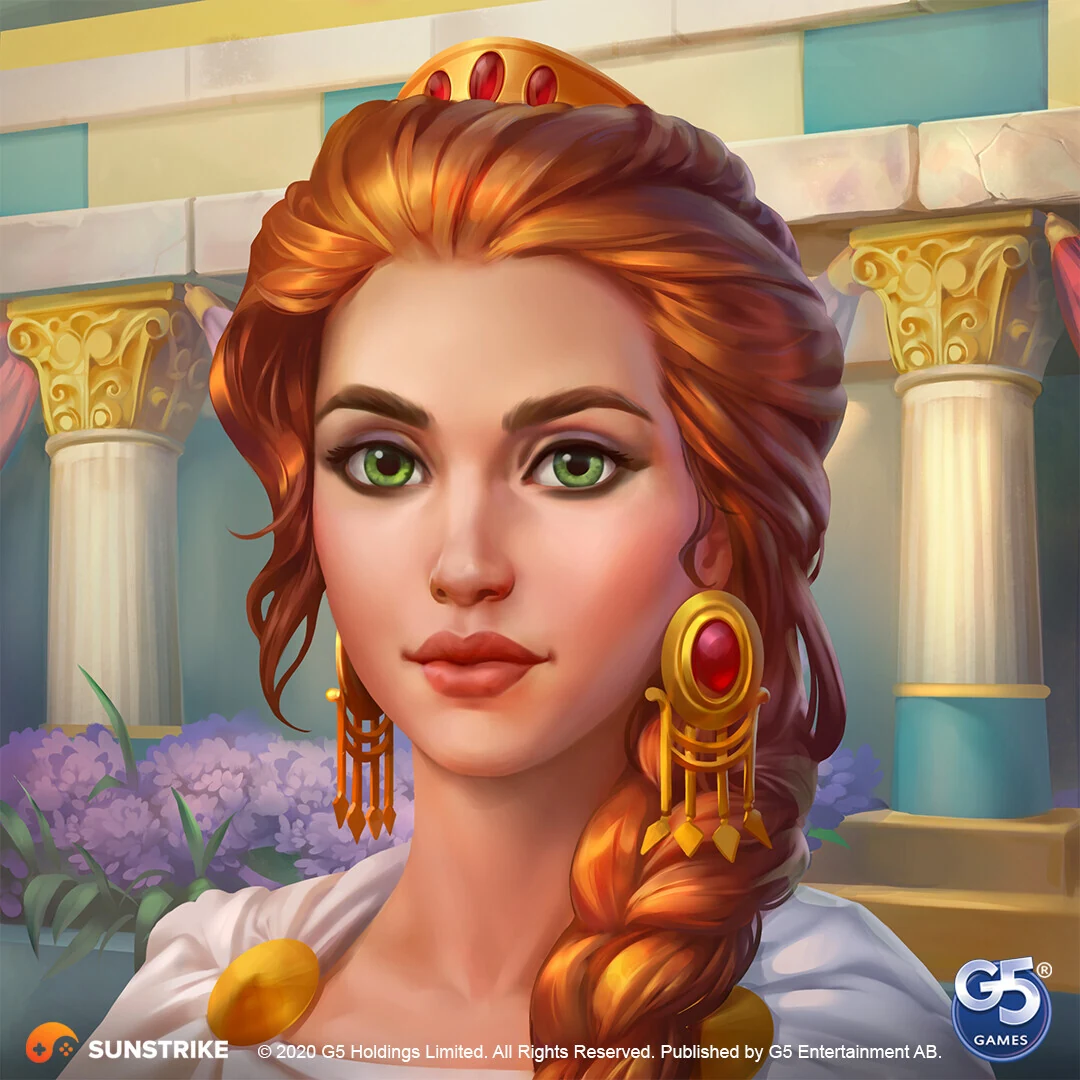
A great portfolio is essential but not sufficient. Before you commit, look for:
Style Match & Range
Does the studio show finished work that overlaps your target style? Can they pivot from painterly to PBR realism if needed?
Process Maturity
Ask how they track assets, manage feedback, and handle version control. Request a sample of their naming conventions and export settings.
In-Engine Literacy
Artists must know Unity/Unreal constraints, not only DCC packages. Request specifics on their shader techniques, LOD plan, and performance-profiling workflow.
Security & IP
Confirm NDAs, access segregation, and retention policies. Only the team assigned to your project should see your files.
Communication Culture
Frequent, clear updates are pivotal. Look for studios that welcome daily reviews and candid notes - defensiveness is a red flag.
QA Discipline
Visual QA is not an afterthought. Acceptance checklists should include both aesthetic and technical verifications.
At SunStrike, we encourage a small paid test task before large commitments. It gives you a real sample of our quality - and gives us a precise feel for your expectations.
What to Put in a Great Art Brief
Strong briefs produce strong art. Here’s what we recommend embedding in every request:
- High-level intent: narrative role, camera distance, player emotion, and gameplay interactions.
- Fixed parameters include poly/triangle budgets, texture ceilings, target platforms, shader constraints, and rigging/animation requirements.
- Reference clusters: 3-6 approved images per asset that indicate the direction (not a collage of conflicting ideas).
- Scale reference: metric measurements and a comparison next to a known asset/character.
- Material and surface guidance should define first-, second-, and third-read details, wear-and-tear patterns, decal treatment, and aging/distressing rules.
- Outputs and file types should include editable source assets, FBX/OBJ exports, texture packs, in-engine scenes or prefabs, preview thumbnails, and a clear naming scheme.
- Definition of done: explicit acceptance conditions, performance validation, and evidence via in-engine screenshots.
We’ll help you refine early briefs and convert them into reproducible templates for your future tasks.
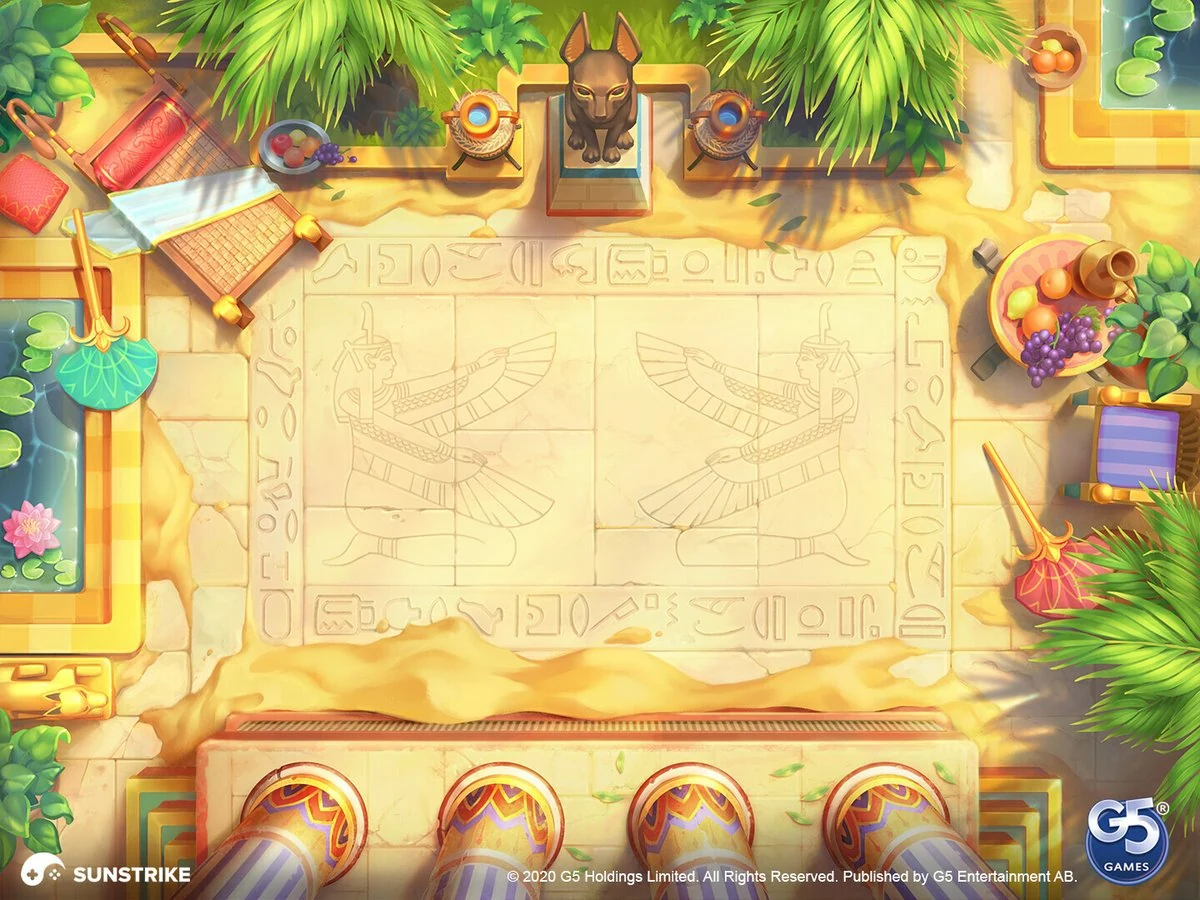
Collaboration With SunStrike: How Work Actually Flows
Kickoff & Alignment
We start with a short call to confirm scope, style targets, budget, timeline, risks, and communication channels. We agree on a test asset or vertical slice and acceptance criteria.
Tooling & Access
We integrate with your Perforce or Git LFS repo, or host a secure workspace if you prefer. We adopt your naming rules, export settings, and issue tracker.
Cadence
Expect daily or every-other-day snapshots depending on asset complexity. We share WIPs early - blocking, silhouette checks, and texture flats - so changes are cheap.
Feedback Loop
To avoid “telephone game” revisions, we collect feedback in one place with markups. Our team leads summarize the next steps in the same thread.
Milestones & Handoffs
Batches ship with checklists, renders, and in-engine verification. If a change request arrives, we estimate impact and fold it into the next sprint.
QA & Sign-off
Our QA artists validate geometry, pivots, rig behavior, collisions, lighting response, and texture compression. You receive a concise report along with final deliverables.
Pricing Models That Fit Real Projects
No single pricing model suits every task. Choose what aligns to risk and clarity.
Time & Materials (T&M)
Best for evolving scopes, R&D, and live games. You pay for actual time used. Visibility and flexibility are high; scope can adapt.
Fixed Scope / Milestone
Ideal for well-defined batches with clear acceptance criteria. We lock deliverables, price, and schedule; changes become new micro-scopes.
Dedicated Pod
A blended team (e.g., concept + modeler + texture + tech artist) that acts like your internal art cell. Consistent monthly spend with minimal operational overhead for your team.
Cost drivers include complexity, realism level, number of materials, animation count, rig complexity, and the depth of engine integration. We’ll flag savings opportunities - for example, trimsheets and modular kits often reduce time without reducing quality.
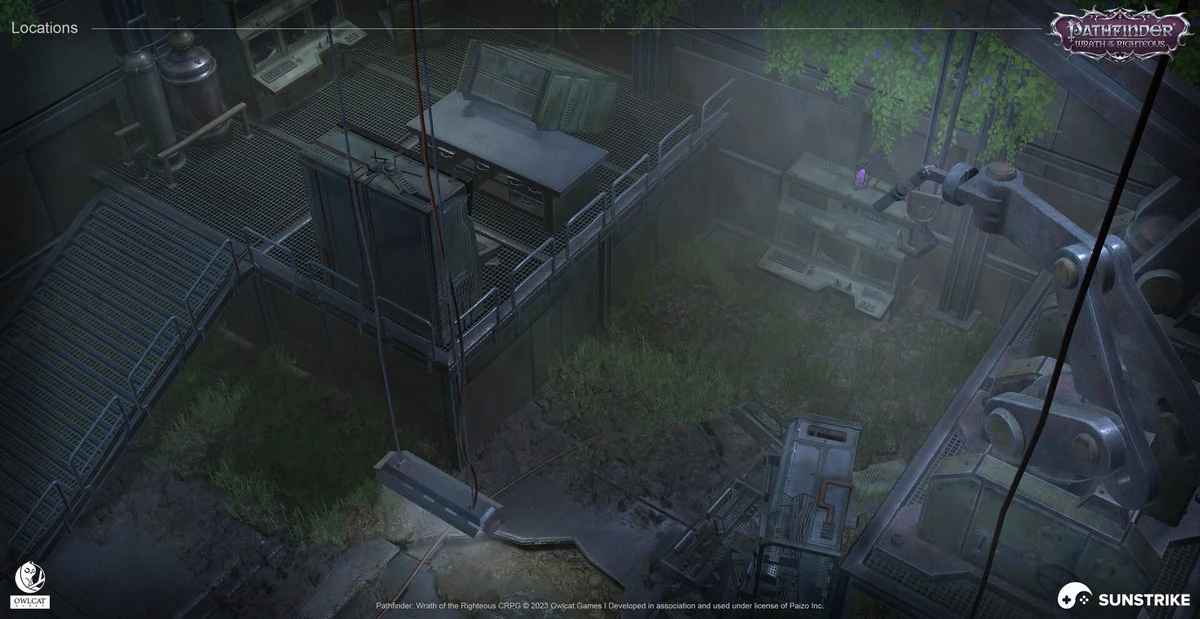
Risk Management & IP Safety
Art outsourcing thrives when trust is deliberately designed into the workflow:
Clear Ownership
Our agreements transfer full ownership to you upon payment. All source files, working files, and exports are delivered to your repository.
NDA & Access Control
All staff sign NDAs, permissions are role-scoped and time-bound, and every access is tracked via full audit logs. Sensitive data never leaves the project perimeter.
Source of Truth
We designate one repository as the sole source of truth. No asset should exist only in chat or email.
Single Point of Contact
You get a producer/art lead who becomes your voice inside SunStrike. They keep throughput and consistency high.
Common Pitfalls (and How We Avoid Them)
Vague Briefs
Without firm constraints, feedback loops drag on and inflate costs. We transform rough ideas into specific, testable tasks before production.
Late Engine Checks
Assets that look great in Marmoset can break in Unreal’s lighting. We test early inside the actual target engine and hardware.
Style Drift
With large batches, tiny changes compound. Our art leads enforce the bible and do regular overlay paintovers to keep shapes and values consistent.
Silent Weeks
Creativity hates dead air. We prefer frequent micro-reviews so we can course-correct in hours, not days.
Over-Optimizing Too Soon
We find the fun (and the read) first, then optimize. Premature LODing or heavy compression can mask core issues.
Bringing QA Into the Art Loop
SunStrike isn’t only an art studio; we also provide QA services. Connecting art and QA makes your builds healthier:
- We test assets in context - collision, occlusion, lighting changes, and performance spikes.
- UI/UX passes examine font legibility, input mapping clarity, and scaling on tricky devices.
- For live games, we validate seasonal skins and store visuals before they reach your players.
QA feedback feeds back into the art backlog with severity tags and reproducible steps, so issues get fixed, not debated.
Case-Style Scenarios
Mobile Roguelite, Stylized 3D
The team had a strong prototype but thin content. We built a trimsheet-based environment kit and a character pipeline that produced two enemies per week with coherent silhouettes and low shader complexity. FPS on mid-tier Android phones improved after we re-authored materials and atlases.
PC Social Sandbox, Painterly 2D + 3D
The internal team had the brush style, but UI felt disconnected. Our UI/UX artists redesigned panels with grid-based layouts, motion cues, and scalable typography. Retention improved as onboarding friction dropped.
Console Survival, Realistic PBR
The project needed believable props quickly. We created a library of modular kits (doors, beams, pipes) with material instancing that let level designers assemble spaces fast while keeping memory under control.
LiveOps & Post-Launch Content
Shipping is halftime. Live games need a steady cadence of cosmetics, events, and promos without eroding the core style. We support:
- Seasonal or regional variants that respect your material language.
- Create store visuals - key art, thumbnails, banners, and trailers - that drive conversions while faithfully reflecting the gameplay.
- Smart reuse tactics - modular kitbashing, controlled hue shifts, and curated decal sets - preserve variety while keeping costs in check.
A Compact Prep Checklist
To help your next outsourcing sprint start strong, collect:
- The latest build (or a stripped scene) and target platform list
- Style guide/art bible and a few “this is on brand” examples
- Asset list with priorities, sizes, and any gameplay constraints
- Export requirements: scales, pivots, naming, formats, LOD rules
- Reference packs for each asset (3-6 tightly curated images)
- Point of contact, review cadence, and your preferred tools
- NDA/contract paperwork and repository access
If any of these pieces are missing, we’ll help you define them quickly.
Why SunStrike Studios
We’re a production-tested partner for developers who want dependable quality without the micromanagement. Our services include:
- 2D & 3D Art Production across genres and platforms
- Concept Art & Visual Development that nails tone fast
- Character, Prop, and Environment Pipelines for stylized and realistic projects
- Animation, Rigging, VFX & Tech Art with in-engine polish
- UI/UX Art aligned with your design goals
- Co-Dev when you need engineers alongside artists
- QA Services tightly coupled with art and design
You get flexible engagement models, senior art direction, and open communication - plus the peace of mind that your IP is protected and your milestones are met.
Getting Started
If you have a clear brief, we can begin with a small paid test to align quality and workflow. If you’re still shaping your visual identity, we’ll facilitate a short discovery sprint to define the art bible, build a validated vertical slice, and set up a predictable production pipeline.
Let’s create the visuals players will remember. Reach out to SunStrike Studios to discuss your project, share a build, or request a test task. We’ll respond with a realistic plan, transparent pricing, and a team ready to ship beautiful, performant art.
About SunStrike Studios
SunStrike Studios provides outsourced game art, QA, for mobile, PC, and console titles. Our artists collaborate across time zones with a simple promise: deliverables that make your game look better, feel smoother, and ship sooner.
This guide is written to help teams navigate game art design and outsourcing in 2026. If you’d like a tailored checklist or a quick audit of your current pipeline, we’re happy to help.