
Video Game Concept Art: Styles and Applications
Introduction
In the fast-evolving universe of game development, concept art serves as the visual foundation upon which entire worlds are built. Whether it’s the intricate armor of a fantasy knight, the neon-lit skyline of a cyberpunk metropolis, or the whimsical charm of a cartoon village, concept art defines the look and feel of a game before the first 3D model is created or a single line of code is written.
At SunStrike Studios, we specialize in providing outsourced game art, QA testing, and full-cycle game development services. Over the years, we have collaborated with studios of all sizes - from indie developers to AAA publishers - transforming creative visions into polished, market-ready visual experiences. In this article, we’ll dive deep into the diverse styles of video game concept art, explore their practical applications in game production, and share insights from our own studio’s creative process.
What Is Video Game Concept Art and Why It Matters
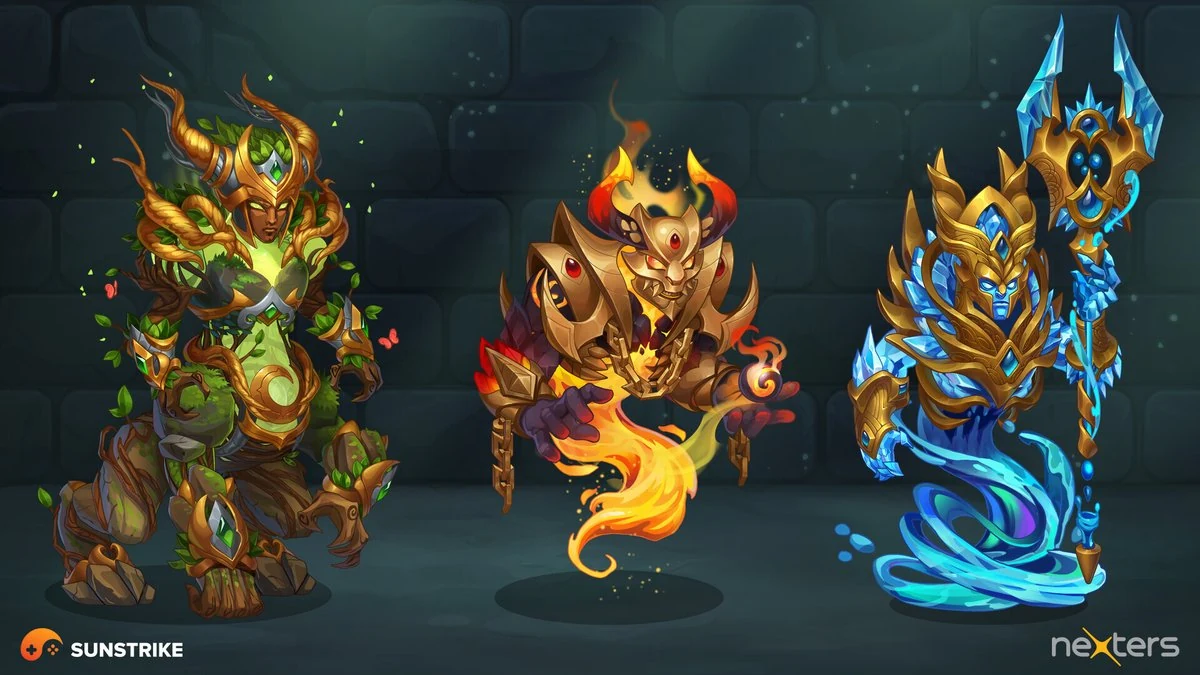
Concept art in the gaming industry refers to the initial visual explorations of characters, environments, props, vehicles, and other elements that will appear in the final game. It’s created during the pre-production phase and serves as a blueprint for 3D modelers, animators, texture artists, and developers.
The importance of concept art goes beyond “making things look pretty.” It plays a strategic role in game production by:
- Defining the visual identity of the game early on.
- Ensuring style consistency across assets and game elements.
- Saving time and costs by reducing guesswork in later production stages.
- Communicating vision between artists, designers, programmers, and stakeholders.
At SunStrike Studios, we see concept art as the DNA of visual storytelling. It determines not just what a player sees, but how they feel when they see it.
The Two Core Style Families: Realistic vs. Stylized
Almost every concept art project falls into one of two main stylistic categories - realistic or stylized - though many games blend both to create unique aesthetics.
Realistic Style
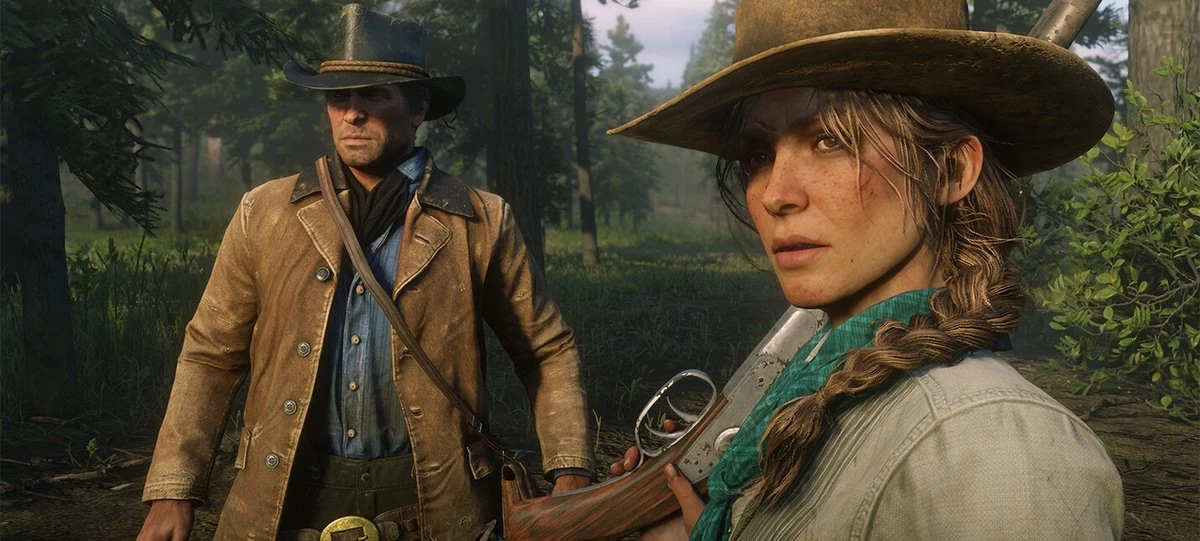
Realistic concept art strives to replicate the natural world with high fidelity. This includes:
- Accurate proportions and anatomy.
- Natural lighting and shading.
- Photorealistic textures for skin, fabric, metal, and stone.
Application examples:
- AAA story-driven games like The Last of Us Part II and Red Dead Redemption 2.
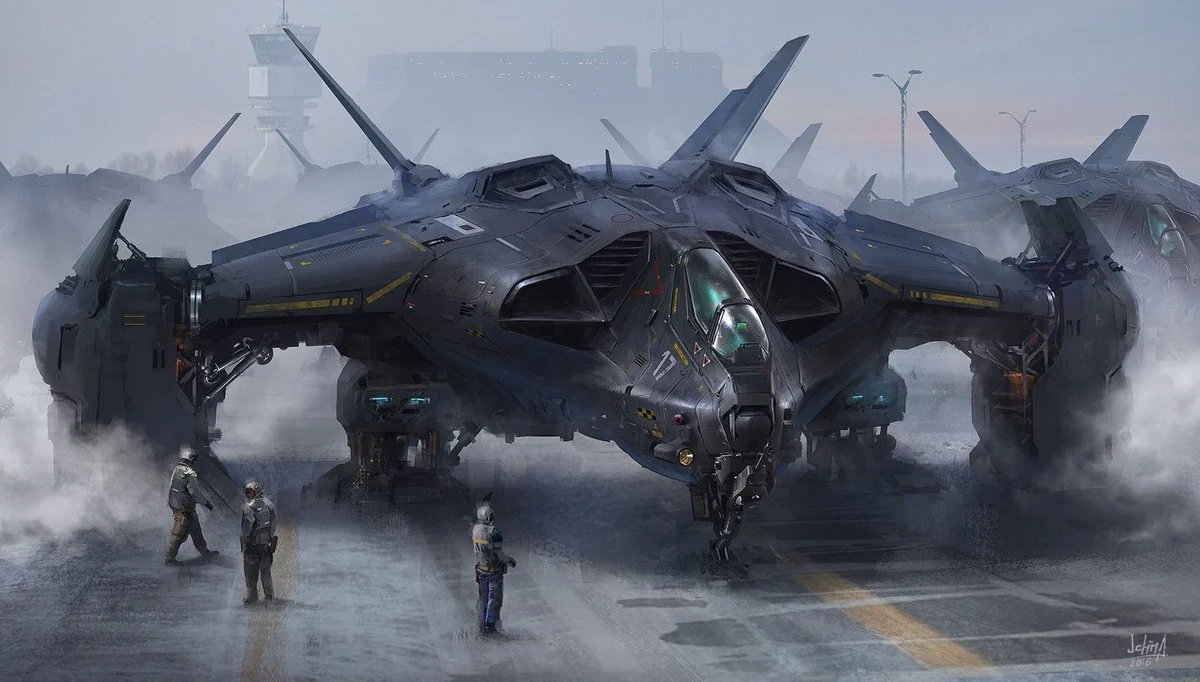
- Military shooters requiring authentic weapon and vehicle designs.
- Historical simulations and strategy games.
At SunStrike Studios, our realistic projects often require extensive reference research - from studying real-world locations to analyzing historical attire - so that every detail feels believable.
Stylized Style
Stylized concept art, on the other hand, exaggerates proportions, simplifies shapes, and experiments with colors. It’s less about accuracy and more about artistic impression.
Key traits:
- Bold, exaggerated shapes.
- Highly saturated or unique color palettes.
- Expressive, sometimes cartoon-like design choices.
Application examples:
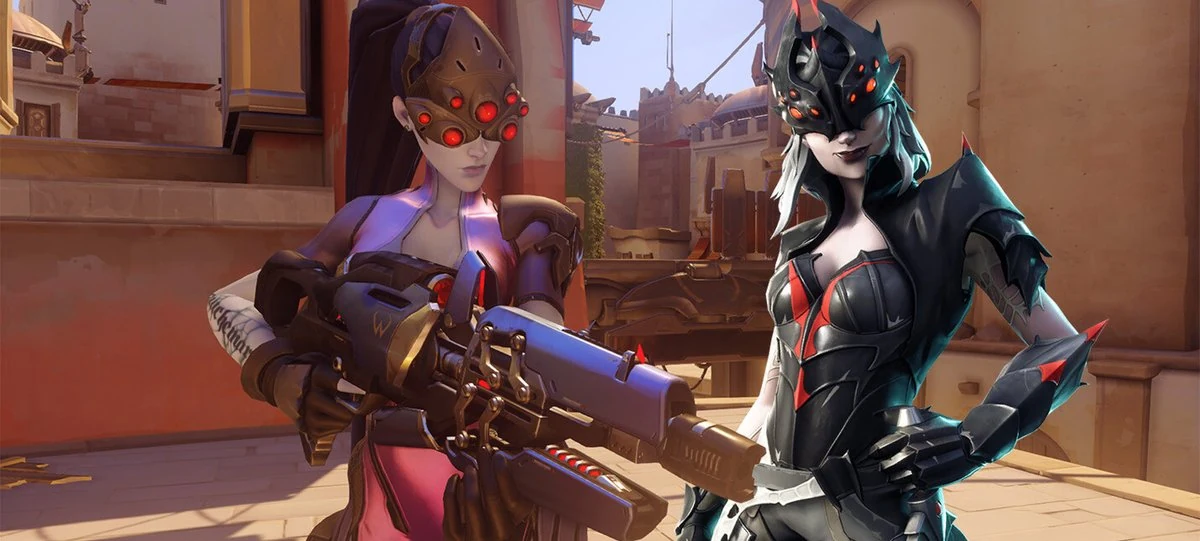
- Bright, character-driven titles like Overwatch or Fortnite.
- Indie games where art direction is central to brand identity.
- Mobile games that benefit from simplified, recognizable silhouettes.
Our team at SunStrike Studios finds stylized art particularly powerful for branding - a unique visual style helps games stand out in crowded marketplaces.
Breaking Down Popular Stylized Subgenres
While “stylized” is a broad category, it contains several distinct subgenres, each with its own personality and application.
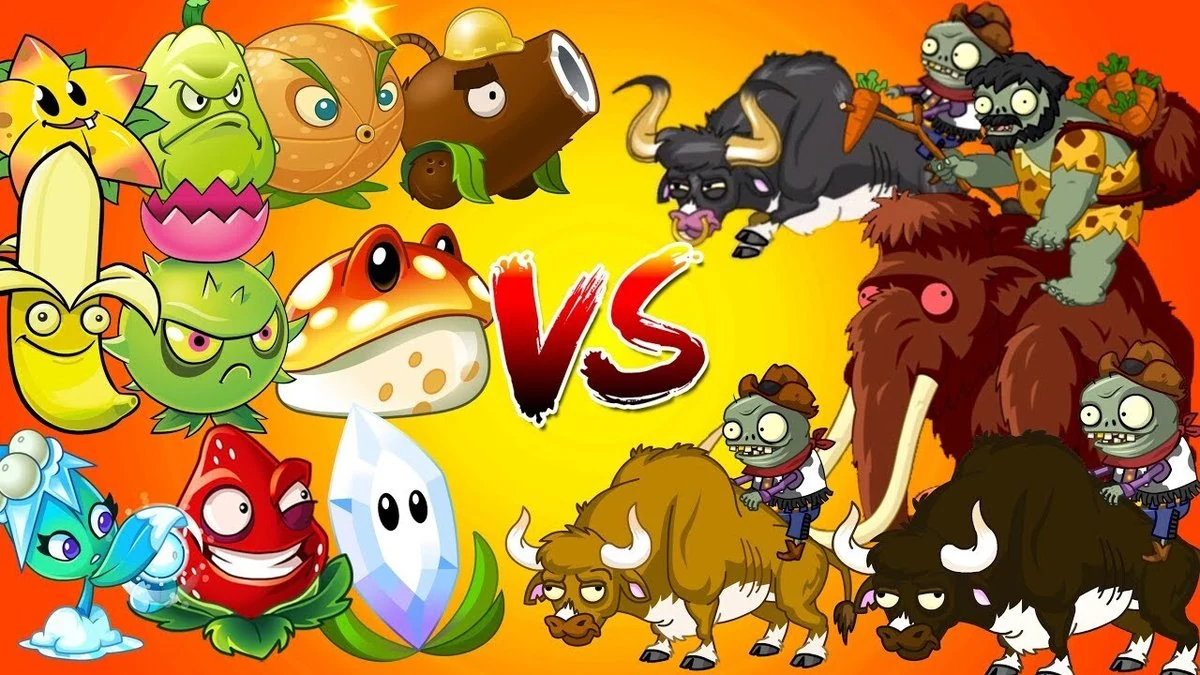
Cartoonish / Whimsical
- Traits: Thick outlines, simplified forms, playful exaggeration.
- Uses: Family-friendly games, casual mobile titles, or comedies.
- Example: Animal Crossing, Plants vs. Zombies.
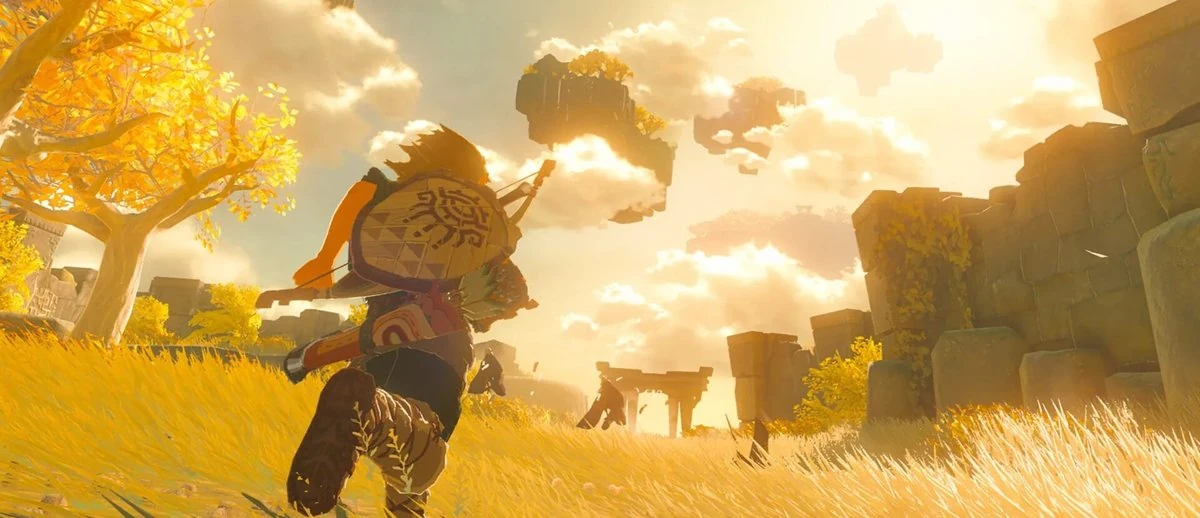
Fantasy
- Traits: Magical creatures, mythological worlds, epic landscapes.
- Uses: RPGs, adventure games, fantasy MMOs.
- Example: World of Warcraft, The Legend of Zelda: Breath of the Wild.
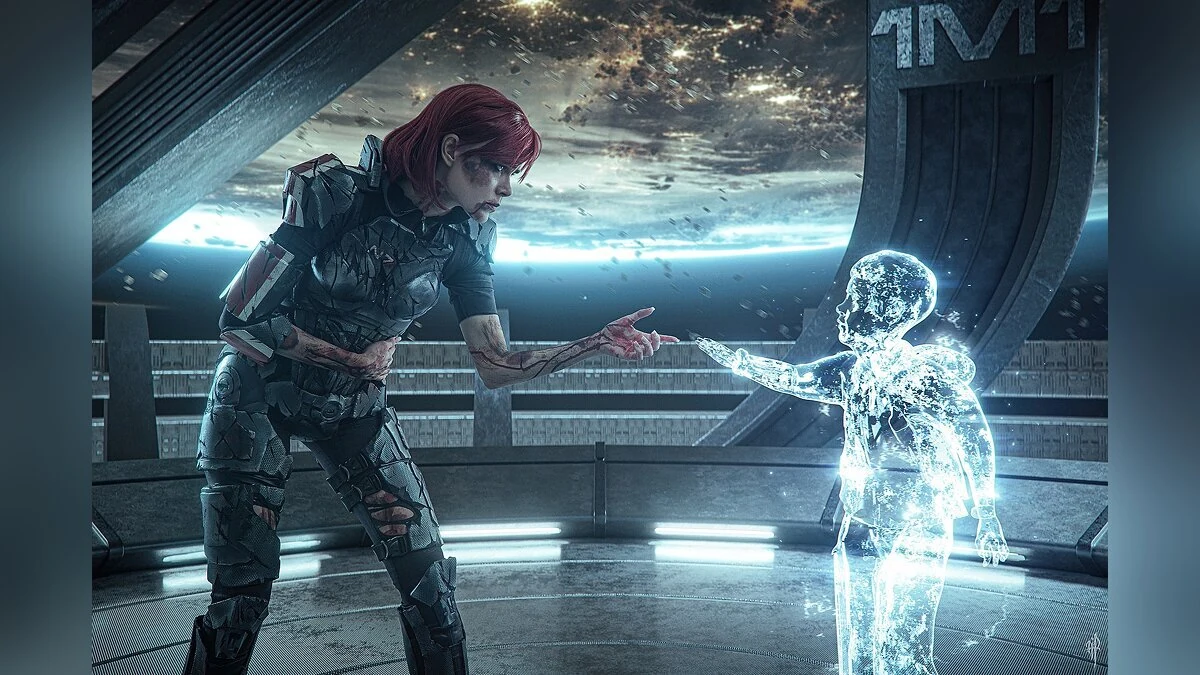
Sci-Fi / Futuristic
- Traits: High-tech gadgets, neon cities, space exploration.
- Uses: Space shooters, cyberpunk adventures, futuristic RPGs.
- Example: Mass Effect, Cyberpunk 2077.
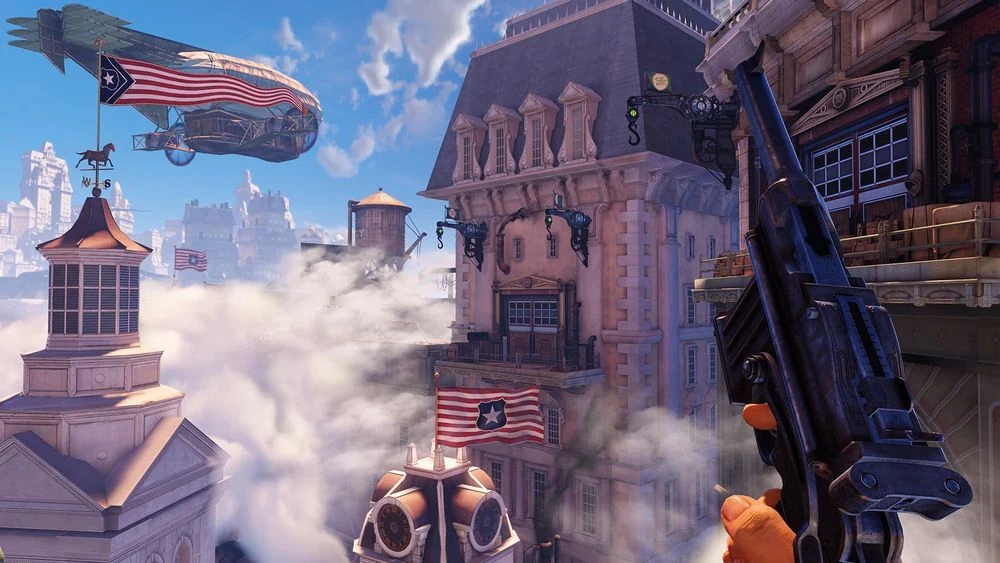
Steampunk / Dieselpunk / Cyberpunk Variants
- Traits: Retro-futuristic tech, industrial aesthetics, layered with historical influence.
- Uses: Narrative-driven games with unique atmospheres.
- Example: Bioshock Infinite, Deus Ex.
The Role of Concept Art in Game Production
Concept art is not just a decorative stage in development - it is the visual blueprint that determines the game’s overall feel and direction. Without strong concept art, teams risk producing inconsistent assets, wasting time in revisions, and losing the original creative vision.
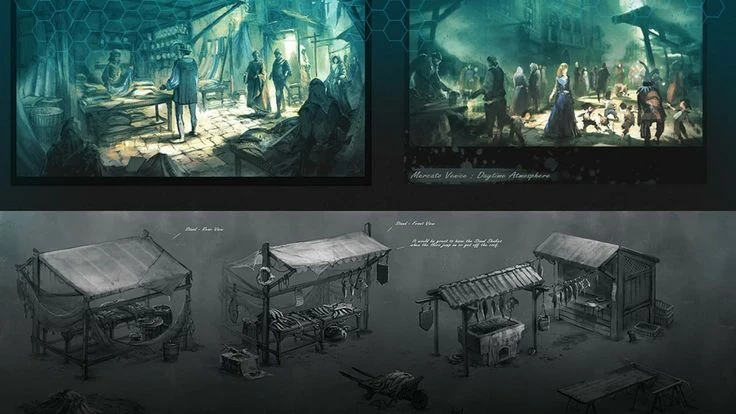
Here’s how concept art shapes the production pipeline:
Pre-Production Phase
- Mood Boards & Research: Gathering visual references to lock in tone and atmosphere.
- Style Guides: Defining rules for shapes, line work, colors, and textures.
- Idea Sketching: Generating a broad spectrum of creative concepts before refining them into the final design choices.
Production Phase
- 3D Modeling Guidance: Concept art serves as a direct reference for modelers and texture artists.
- Animation Preparedness: Artists make certain that every design is practical and ready for smooth animation.
- Level Design Support: Environment concept art provides spatial and architectural blueprints.
Post-Production & Marketing
- Promotional Artwork: High-quality concept pieces often double as box art, posters, and online ads.
- Brand Consistency: A consistent visual language across promotional materials reinforces the game’s identity.
At SunStrike Studios, our workflow integrates concept art with QA testing from the earliest stages. This ensures that designs are not only visually appealing but also optimized for performance across platforms.
Detailed Look at Concept Art Categories
While style defines how something looks, categories define what is being designed. Let’s explore the major types of concept art used in games.
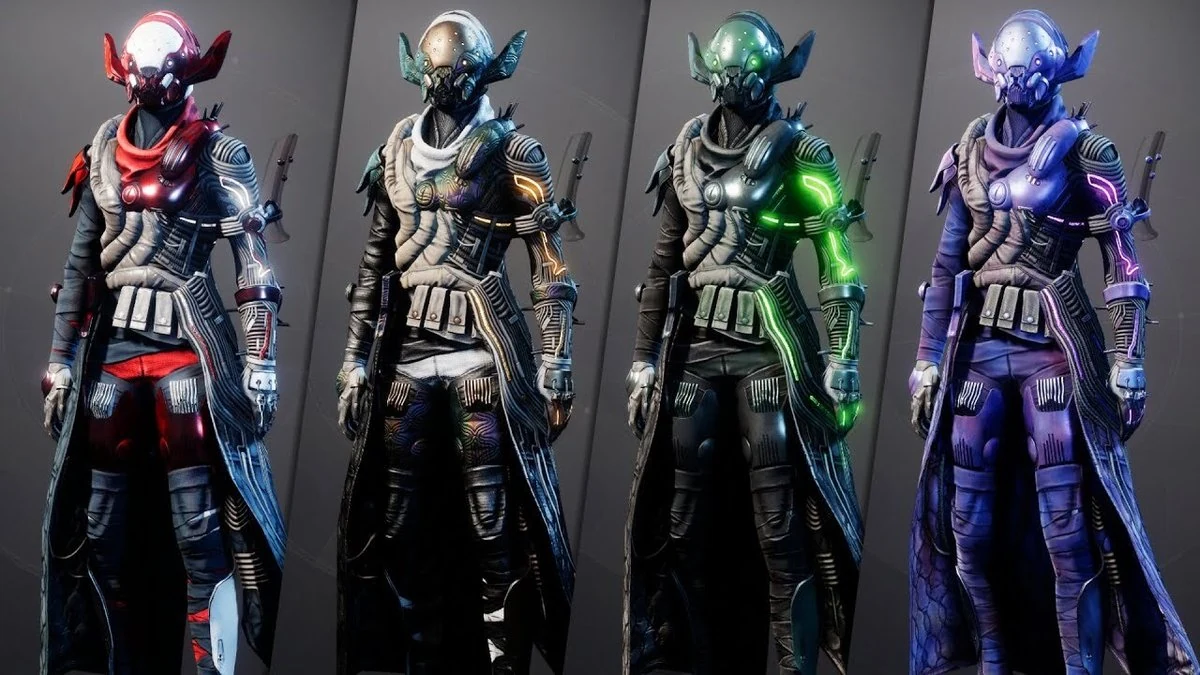
Character Concept Art
- Purpose: Establish personality, silhouette, attire, and emotional tone. If you need professional help at this stage, our 3D character design services cover the full process from initial sketches to production-ready assets.
- Details: Includes front/back views, facial expressions, clothing variations, accessories.
- Applications: Player avatars, NPCs, enemies, boss designs.
- Example: The iconic armor sets in Destiny 2.
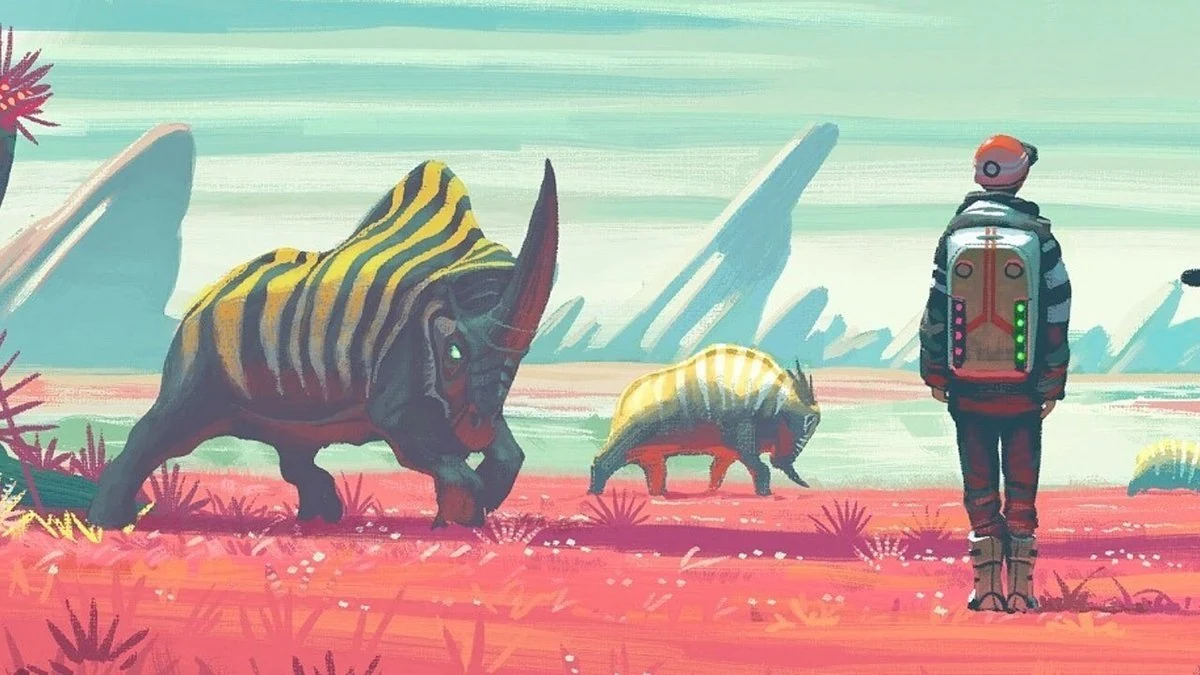
Creature & Monster Design
- Purpose: Invent species and enemies that feel unique and immersive.
- Design Challenges: Striking the right balance between imaginative vision and practical use - can this creature realistically move, battle, or engage as envisioned?
- Applications: Fantasy RPGs, horror games, survival adventures.
- Example: The alien fauna of No Man’s Sky.
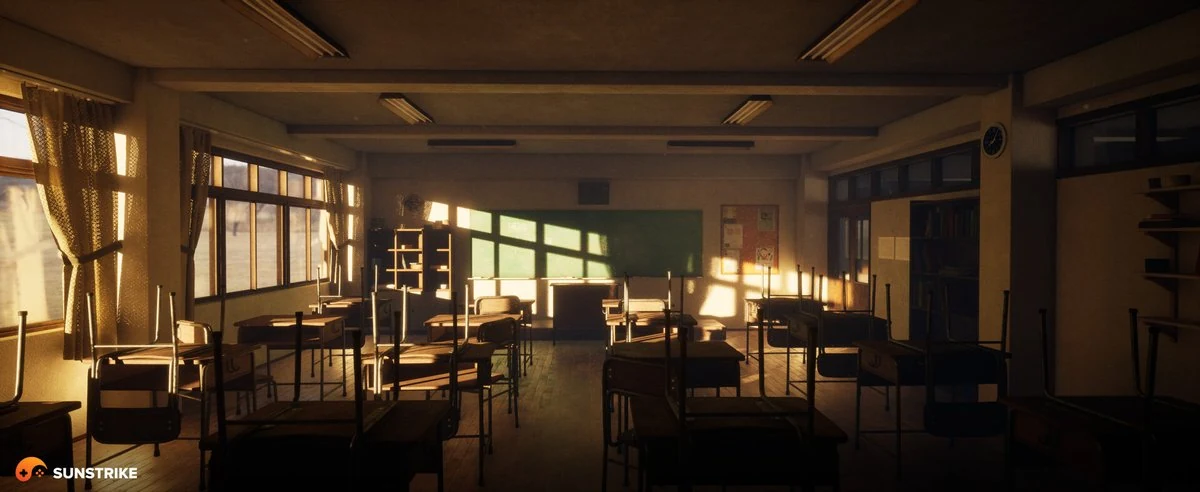
Environment Concept Art
- Purpose: Establish locations, weather, time of day, architectural details.
- Details: Cityscapes, forests, deserts, dungeons, underwater zones.
- Applications: Level design, atmosphere setting.
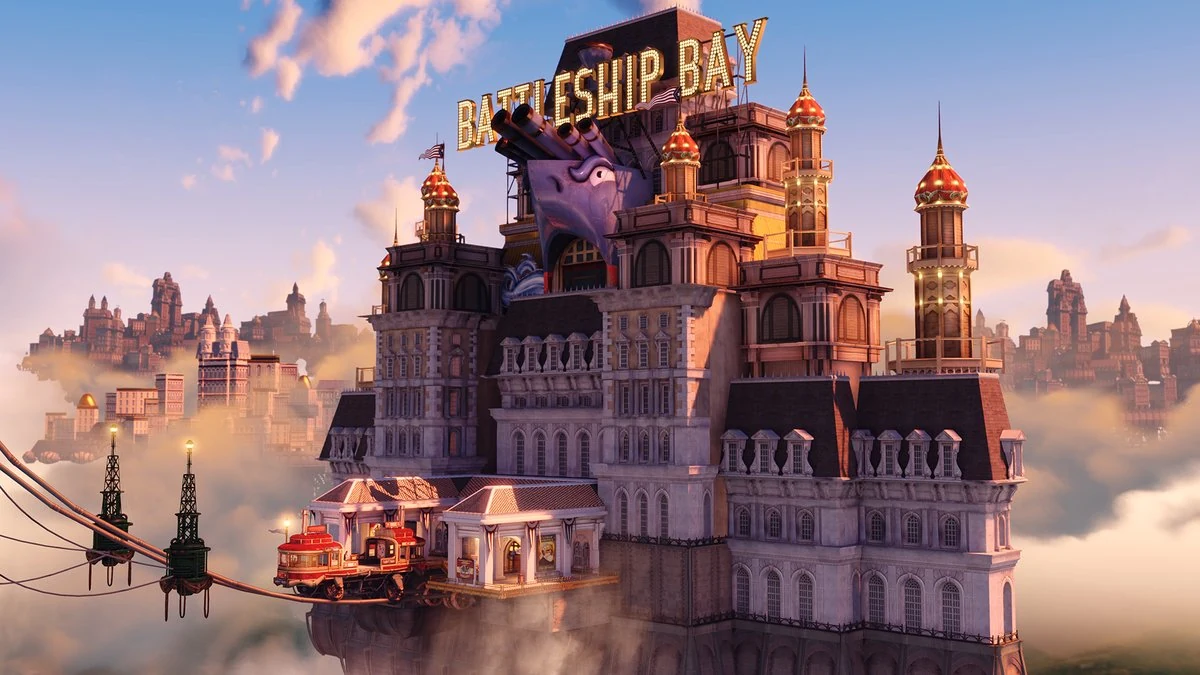
- Example: The floating cities in Bioshock Infinite.
Prop & Weapon Concept Art
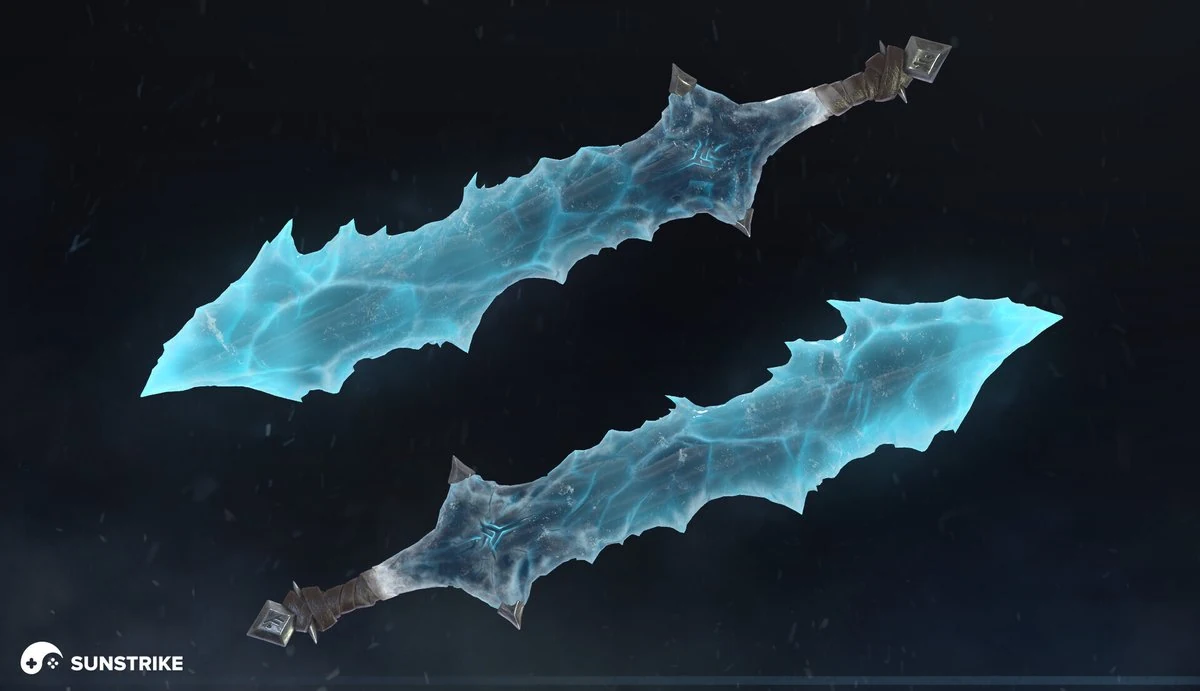
- Purpose: Design functional items that contribute to gameplay.
- Details: Weapons, shields, gadgets, interactive objects.
- Applications: First-person shooters, RPGs, strategy games.
- Example: The energy swords in Halo.
Vehicle & Mecha Concept Art
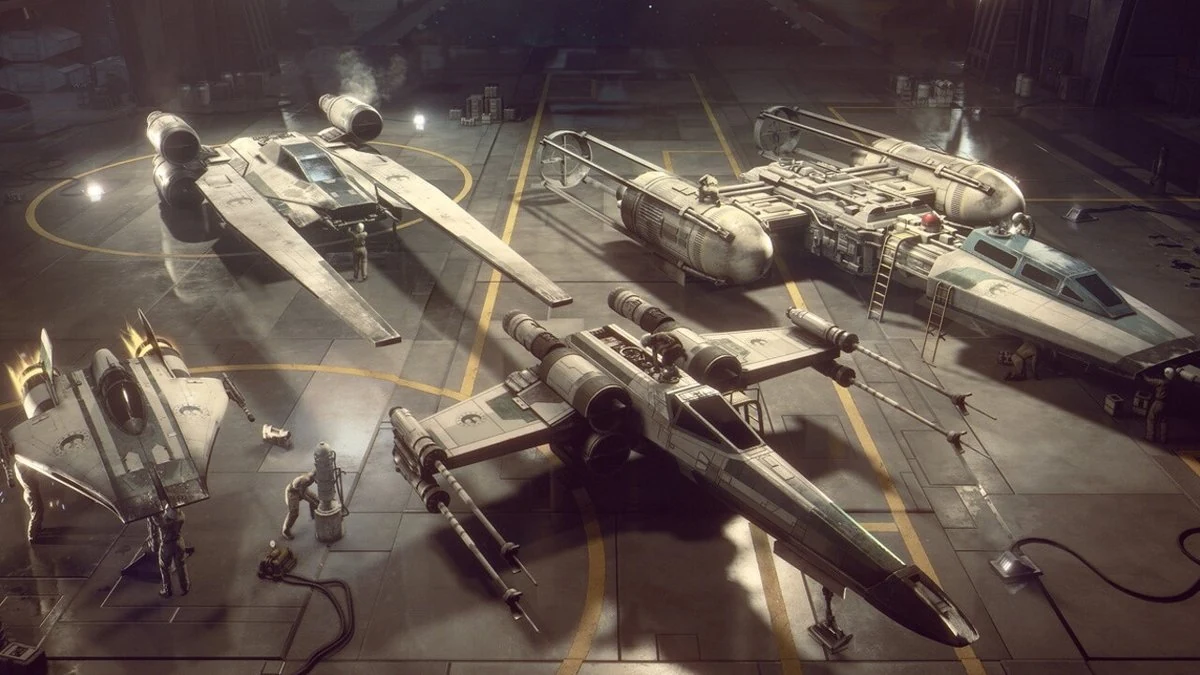
- Purpose: Create believable transportation and combat machines.
- Details: Cars, aircraft, tanks, starships, mechs.
- Applications: Racing games, sci-fi shooters, mech simulators.
- Example: Starfighters in Star Wars: Squadrons.
UI / HUD Concept Art
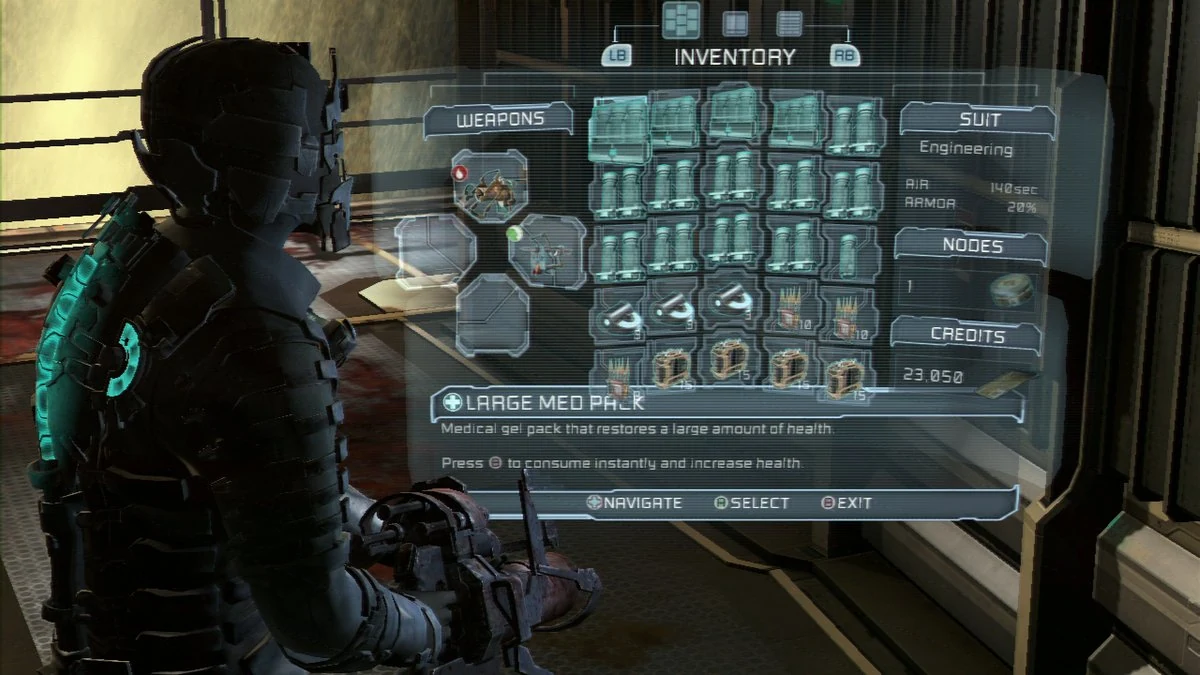
- Purpose: Make sure the game’s interface is functional and aesthetically aligned.
- Details: Menus, buttons, inventory screens, health bars, minimaps.
- Applications: Every genre, from mobile to AAA.
- Example: The sleek HUD of Dead Space.
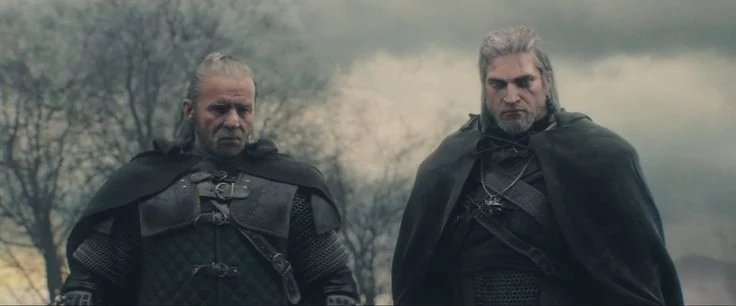
Storyboards & Cinematic Art
- Purpose: Visualize cutscenes, action sequences, and camera work.
- Details: Frame-by-frame panels showing character placement, motion, and dialogue.
- Applications: Narrative-driven games, marketing trailers.
- Example: Cinematic transitions in The Witcher 3.
The Practical Applications of Different Styles
Let’s examine where different visual styles shine in real-world game development.
Realistic Style Applications
- Immersive Storytelling: Creates deep emotional connections through lifelike visuals.
- Historical Accuracy: Essential for educational or period-based titles.
- High-End VR Experiences: Enhances realism in virtual reality.
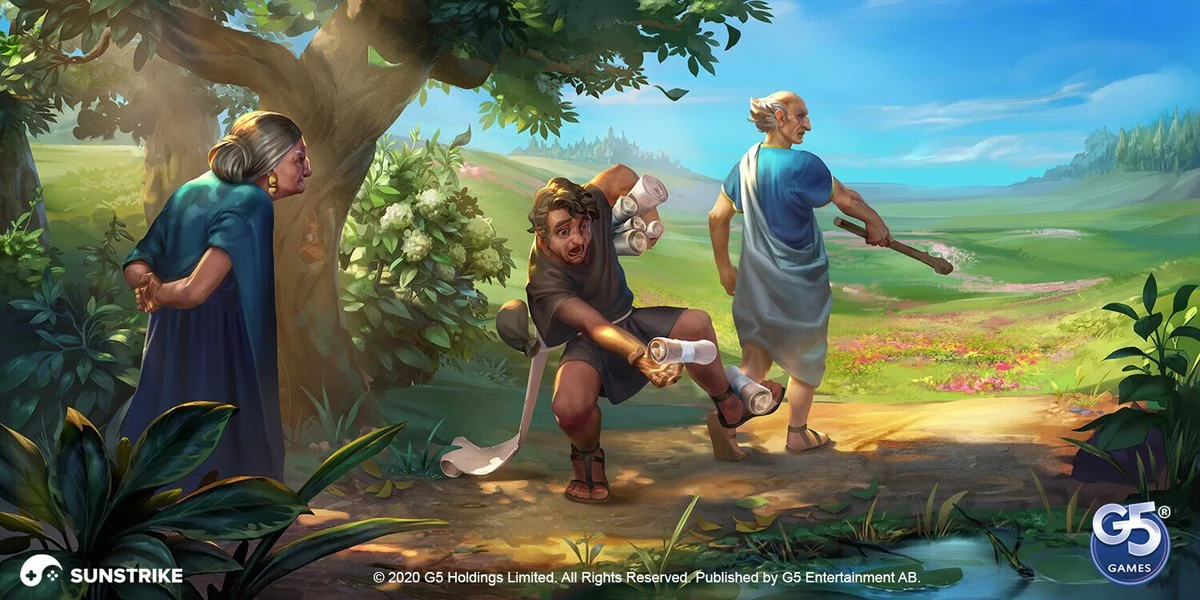
Stylized Style Applications
- Brand Differentiation: Unique visuals make a game instantly recognizable.
- Performance Optimization: Lower detail often means smoother performance on weaker devices.
- Longevity: Games with stylized visuals tend to retain their appeal longer than those striving for hyper-realism.
SunStrike Studios’ Approach to Concept Art
Our process blends creativity, technical precision, and production efficiency.
Collaborative Ideation
We work closely with clients to understand their narrative, audience, and gameplay mechanics before sketching a single line.
Iterative Design
We develop multiple versions, refining them with feedback until the perfect balance of style, function, and originality is reached.
Integrated QA
Our QA specialists evaluate every asset for clarity, performance, and platform compatibility.
Pipeline-Friendly Delivery
Final designs are optimized for direct integration into 3D workflows, ensuring minimal rework.
The Future of Concept Art in Games
Looking ahead, several trends are reshaping concept art:
- AI-Assisted Design Tools: Great for rapid idea generation, but human creativity remains irreplaceable.
- Virtual Reality Sketching: Artists now design in immersive 3D spaces, improving scale accuracy.
- Cross-Media Integration: Games increasingly share art assets with film, TV, and merchandise.
At SunStrike Studios, we embrace these innovations while preserving the artistic craftsmanship that makes concept art truly captivating.
Conclusion
Concept art isn’t merely the starting point of game development - it’s the key stage that shapes and defines a game’s unique identity. Whether hyper-realistic or playfully stylized, it determines how players perceive and connect with a virtual world.
At SunStrike Studios, we combine artistic vision, technical expertise, and full-cycle production services to help developers bring their concepts to life. By understanding the nuances of different styles and their applications, we create art that is not only beautiful but also functional, optimized, and memorable.
Your vision deserves a world-class execution - and we’re here to make it happen.