

VFX for Games: How Studios Build and Outsource Effects
Players never say “great particle effect.” They say the game “feels good” - the sword lands with weight, the match-3 combo pops, the slot win floods the screen with light. That feeling is VFX doing its job. When effects are missing or flat, actions read as mushy and cheap even if every other asset is beautiful.
This guide covers VFX for games in 2026: what the term actually includes, the main types, how 2D and 3D effects differ, the production pipeline, the tools, and what this work costs to outsource. It draws on the effects work we build inside our 2D and 3D art - ability and impact effects for casual and RPG titles, win sequences for slots, and the magic and impact flourishes in game ad creatives.
Key takeaways:
- Game VFX is the effects layer over gameplay events: abilities, impacts, explosions, ambient particles, and reward moments like slot wins.
- 2D VFX is animated frames and sprite sheets; 3D VFX is particles, meshes, and shaders inside the engine - most mobile games mix both.
- Good effects are readable and timed to game feel, not just pretty - the biggest, brightest moment belongs to the most important action.
- Performance is part of the craft: overdraw and draw calls decide whether an effect ships on a phone.
- A stylized 2D effect costs roughly $80-400; batching a set in one style lowers the per-effect price.
What VFX Means in Games
Game VFX is the layer of visual effects that dresses in-game events and makes them read as important. That includes spell and ability effects, hit sparks and impact flashes, explosions and destruction, magic auras and buff glows, projectile trails, ambient particles like smoke, dust, embers, and rain, and reward feedback such as coin showers, level-up bursts, and slot wins.
The defining trait is that VFX is reactive: it fires on an action and then fades. That separates it from static art. A background is always there; an effect exists for the half-second when the player needs to feel that something happened. Good effects amplify the moment and get out of the way.
The Main Types of Game VFX
Effects split into four families by the job they do, and each has its own readability rules.
Combat and ability effects
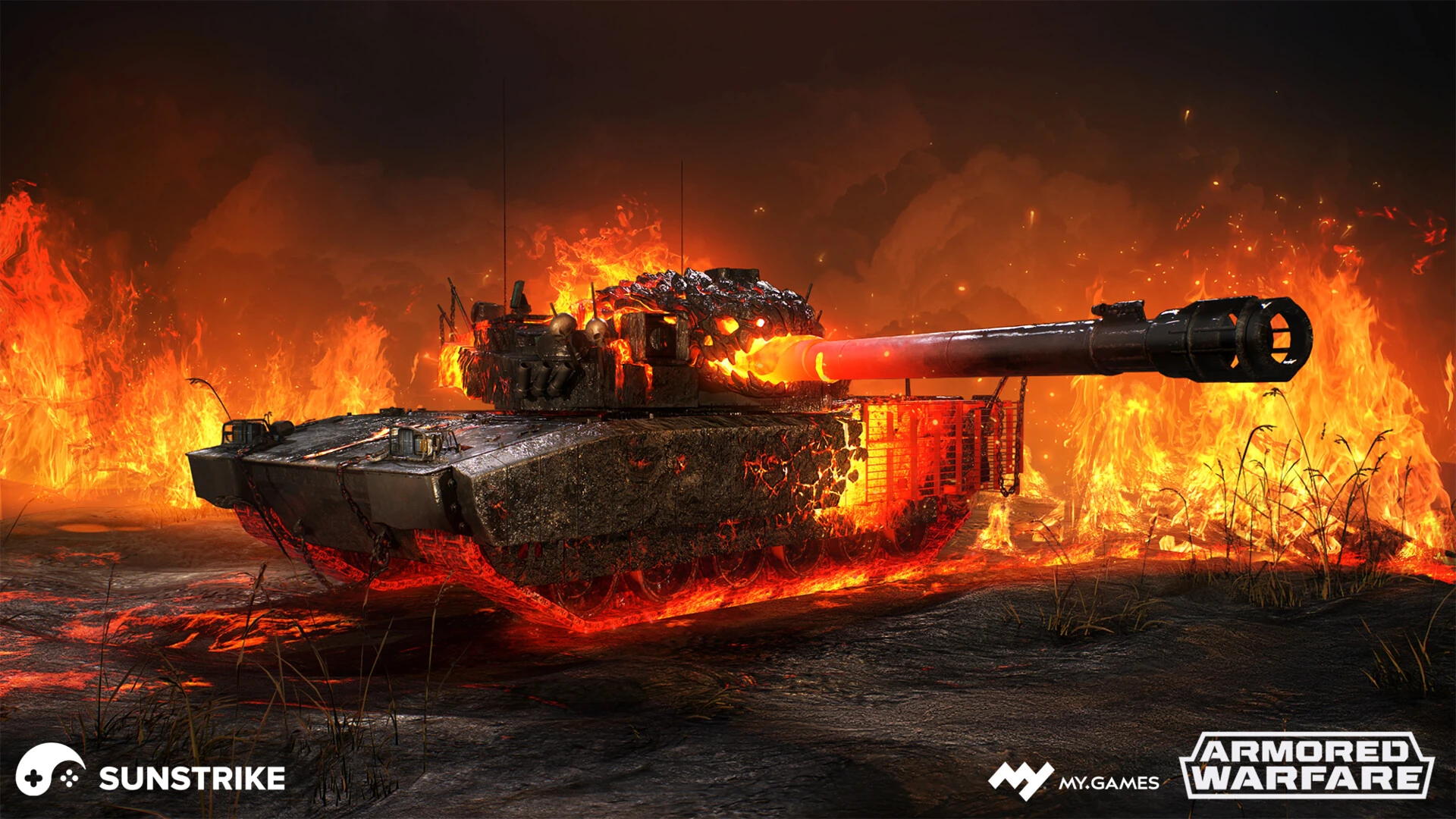
The workhorse of action, RPG, and match-3 games: spell casts, hit reactions, criticals, buffs, and area attacks. These effects carry the most information - the player has to read who got hit, how hard, and with what element. Color codes the element (blue frost, orange fire), scale codes the power, and timing codes the impact. Restraint matters most here, because ten abilities firing at once can turn a screen into noise.
Environmental and ambient effects
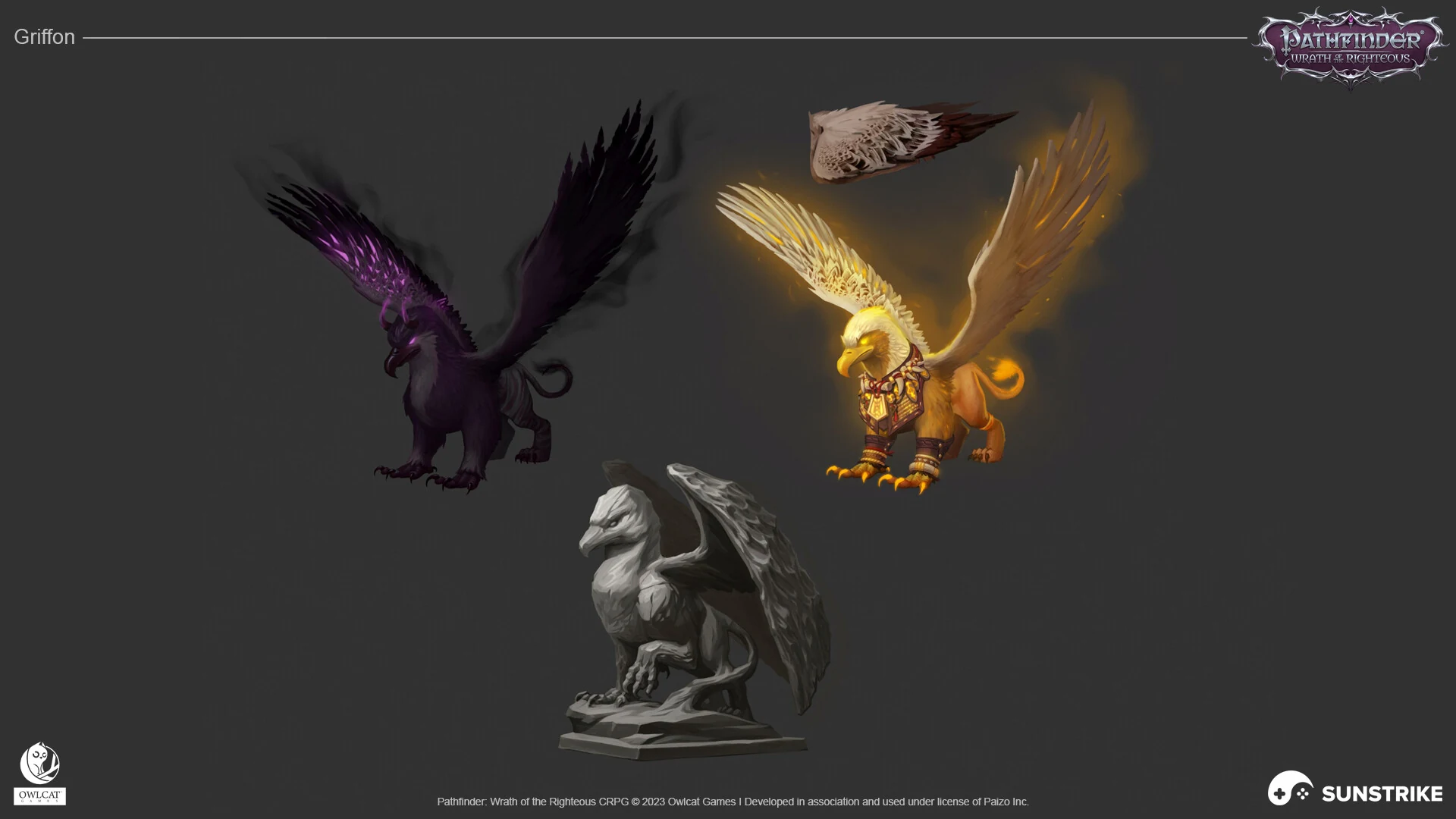
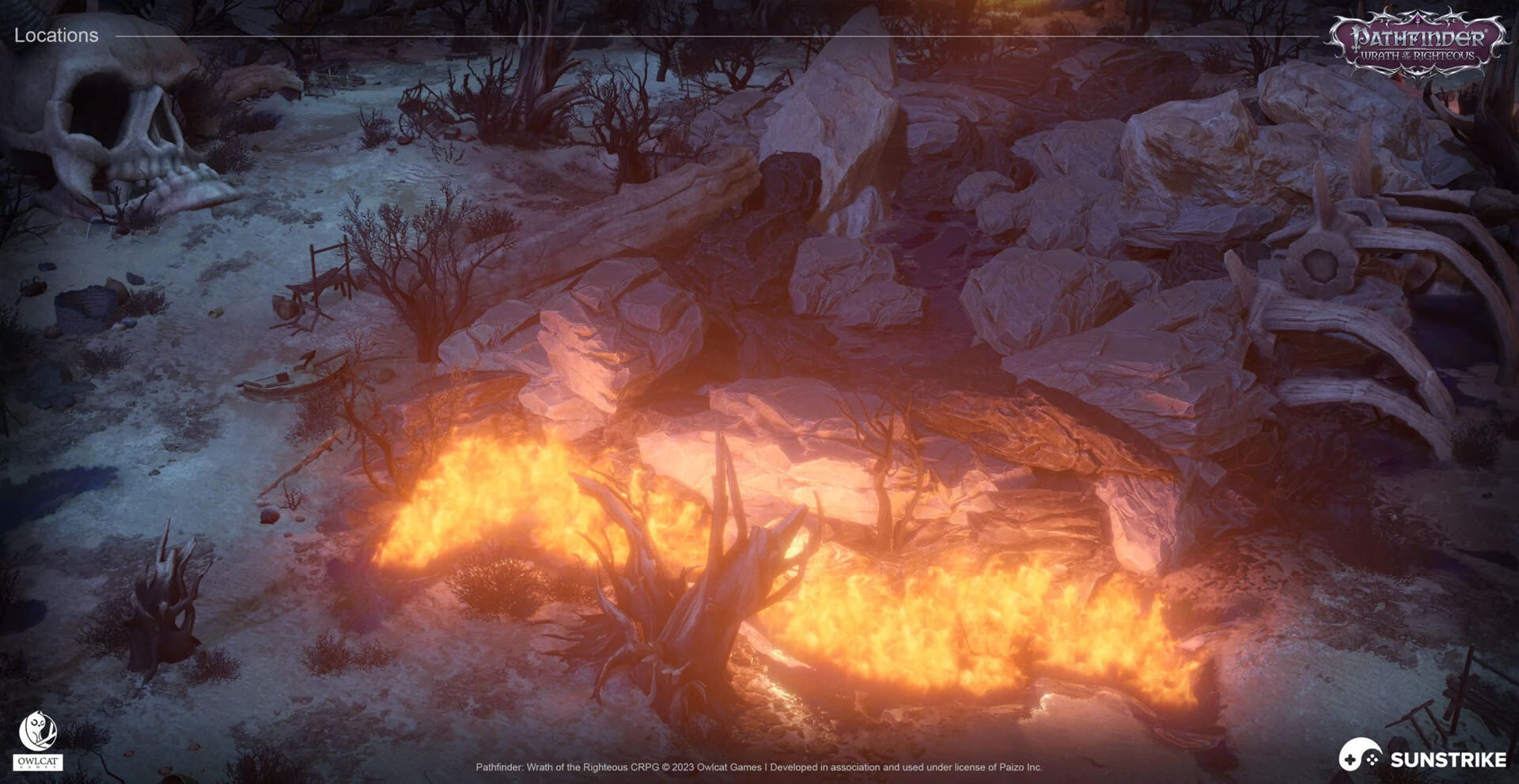
The quiet effects that make a world feel alive: drifting smoke, floating dust motes, waterfalls, falling leaves, rising bubbles, fog, and light shafts. They almost never demand attention - that is the point. Ambient VFX sets mood and depth on a tight performance budget, looping forever in the background while gameplay happens on top.
UI and reward effects
The “juice” that makes menus and wins feel good: button glows, coin bursts, star ratings that slam in, progress bars that fill with sparkles, and the full-screen celebration of a slot win or a completed level. Casual and social-casino games live and die on this layer - a satisfying win animation is a core retention tool, not decoration. Hierarchy is the whole trick: the jackpot symbol earns an aura, light rays, and a spark burst, while low-value symbols stay quiet, so the player reads the size of a win instantly. That hierarchy starts in the static art long before the effects pass, which is why slot symbol tiers are locked against the paytable first.
Cinematic and marketing effects
Higher-energy effects made for splash art, trailers, and ad creatives rather than live gameplay. They borrow film-VFX drama - bigger explosions, stronger light, dense particle bursts - because their job is to stop the scroll, not to stay readable under a HUD.
2D vs 3D vs Real-Time VFX
The single biggest technical fork in game VFX is how the effect is built and played back.
2D VFX is hand-animated: painted frames, sprite sheets, or skeletal animation in Spine, layered onto flat art. This is the standard for match-3, merge, casual, and most 2D mobile titles. It gives artists exact control over every frame and reads perfectly on small screens, but each effect is a fixed animation that does not react to the 3D world.
3D VFX is built inside a game engine from particle systems, emissive meshes, and shaders, so effects respond to camera angle, lighting, and physics. This is what shooters, action RPGs, and console titles use. It scales to any angle and reacts to gameplay, but it is heavier to author and must be tuned to a performance budget.
Real-time is the umbrella both live under: unlike film VFX, which is rendered once and baked, game effects are computed every frame on the player’s device. That constraint shapes everything - an effect that looks perfect in isolation is worthless if it drops the frame rate. Most modern mobile games blend the two: a lightweight 3D particle base with hand-painted 2D sprites layered on for shape and character.
What Makes Game VFX Work
Three qualities separate a production effect from a flashy demo reel.
Readability under gameplay. The same rule as backgrounds, inverted: an effect is allowed to be the brightest thing on screen, but only the effect that matters. If a small heal glows as hard as a boss ultimate, the player cannot triage the fight. Effects are ranked by gameplay importance, and the color and contrast budget follows that ranking.
Timing tied to game feel. An effect is half animation, half rhythm. The flash has to land on the exact frame of impact, the anticipation has to telegraph the hit, and the fade has to clear before the next action. This is why VFX artists borrow the language of animation - the same principles that govern a good timing pass in animation decide whether a hit feels crunchy or limp.
Style match. A realistic fire sim dropped into a soft casual game looks broken, and a flat 2D sparkle in a gritty shooter looks cheap. Effects are the last thing the eye forgives being off-model, so they are built to the project’s visual direction - the same shape language, edge treatment, and palette as the rest of the art.
How Studios Produce VFX: the Pipeline
Mature teams run effects through five gates, each with a review:
- Brief and references. What event fires the effect, its gameplay priority, the target platform, and a style reference. An effect briefed without its gameplay context almost always gets remade.
- Timing greybox. Placeholder shapes on the real action, tuned purely for rhythm - anticipation, impact, and fade - before any art is painted. This is the cheapest place to fix the feel.
- Look development. The approved timing is taken to final: color, shape language, texture, and secondary motion. 2D effects get hand-painted frames or a flipbook sheet; 3D effects get their particle systems and shaders.
- Integration. The effect goes into the engine build on the real event, with the HUD on and the camera live, tested on target-spec devices. Problems that hide in isolation show up here.
- Optimization and delivery. Overdraw, draw calls, particle counts, and texture memory are trimmed to budget, then the effect ships with its source and integration notes.
The same gates apply to a coin burst and a boss explosion - only the budget and the number of review loops change.
Tools VFX Artists Use
Real-time 3D effects are authored in the engine: Unity with VFX Graph and the older Shuriken system, or Unreal Engine with Niagara. Supporting meshes come from Blender or 3ds Max, and complex simulations - fluids, destruction, smoke - are baked in Houdini, then exported as flipbook textures a game engine can play back cheaply.
2D effects come out of After Effects, Photoshop frame animation, or Spine for skeletal work. Slot and casino wins often combine Spine animation with particle overlays for the sparkle and coin layers. Under all of it sits a shared foundation of hand-authored textures and flipbook sheets - the particle system is only as good as the art feeding it.
Cost and Timeline Factors
Five variables drive the price of game VFX more than anything else:
- Dimension and integration - a flat 2D sprite effect, versus a full 3D system wired into the engine with collision and lighting response.
- Frame count and complexity - a three-frame hit spark, versus a ten-second animated slot win with layered elements.
- Performance target - effects for a high-end console have far more headroom than the same effect squeezed onto a low-spec phone.
- Volume and consistency - one hero effect, or a set of forty that all have to share a style and read as a family.
- Style-match strictness - joining an established effects library costs calibration on the first few; it disappears as the set grows.
As rough 2026 anchors: a stylized 2D effect runs $80 to $400, animated win sequences and engine-integrated 3D systems go higher, and per-effect prices drop meaningfully on batches. Timeline: a simple 2D effect is a day or two; a polished hero effect or a full slot win sequence can take one to two weeks including integration.
In-House vs Outsourcing Game VFX
An in-house VFX artist makes sense when effects are the core of your game - a competitive shooter, an ability-driven RPG - and the backlog never empties. For most casual, mobile, and social-casino studios, though, VFX demand comes in waves: an effect set at launch, then event bursts and seasonal wins, which is exactly the load an external team absorbs well.
The practical advantage of a VFX outsourcing company that already handles your art is style continuity. When the same studio paints your characters and animates your wins, the effects layer inherits the project’s shape language and palette with no separate calibration. If you are weighing that route, our 2D game art outsourcing page covers casual and mobile effects work, and the 3D game art outsourcing page covers engine-ready 3D assets and their effects.
The Takeaway
Game VFX is the difference between a game that looks finished and one that feels finished. It is engineered, not sprinkled on: ranked by gameplay priority, timed to the frame, matched to the art, and trimmed to a performance budget the target device can actually run. Whether you build the capability in-house or bring in a partner, hold every effect to the same three questions. Does it read at a glance? Does it land on the beat? Does it belong to the same world as everything else?
Our team builds that effects layer across casual, RPG, and slot projects - the wins, abilities, and impact moments that make actions feel good. If your project needs that polish, the portfolio shows the work in motion, and we are happy to talk through your effect list.